
 Malaysia
This incredible country, rich in culture and diversity is another gem to explore. The journey began by flying into Kuala Lumpur, and after a few days in the metropolitan capital venturing over to the island of Borneo to explore the unique eco-tourism, and amazing wildlife of Sabah - Malaysian Borneo.
Wild Experiences
Kuala Lumpur Chinatown and Little India: The top thing to do in Kuala Lumpur is to jump on one of the many mono-rails connecting the city and venturing forth to Chinatown and Little India - diving into a massive array of ethnic delicacies, incredible shopping and massive shockfactor!
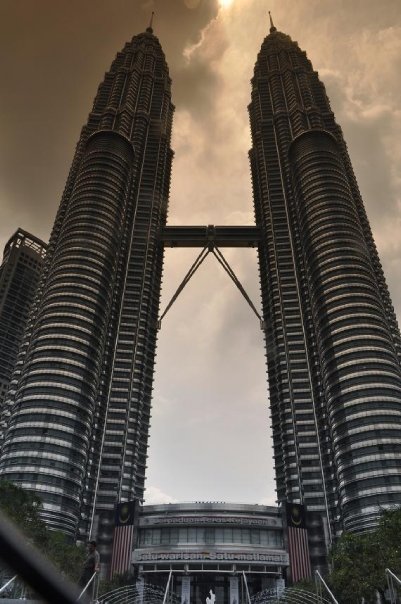
Kuala Lumpur Petronas Towers: Get to these bad boys early for a free ride up and 3 dimensional movie spreading fantastic propaganda on the current successes of the Petronas oil company. The birds eye view from the bridge linking the two towers provides a great panorama of the city.
Sabah Island Hopping: Borneo is greatly known for its islands - because of its close proximity to the Phillipines, the islands still share much diversity in fish and coral species. Diving at these islands is an incredible experience and of course the best thing to do is to stay for AT LEAST 3 days on one of the islands enjoying the fantastic sunrise and sunsets, morning diving/snorkeling, and even more great food... unfortunately you will see human impact on the waters surrounding these beautiful islands - my greatest tip is to clean up as much garbage from the reefs as possible when snorkeling back! It creates a mission and makes the dive/snorkel that much more fullfilling ;)
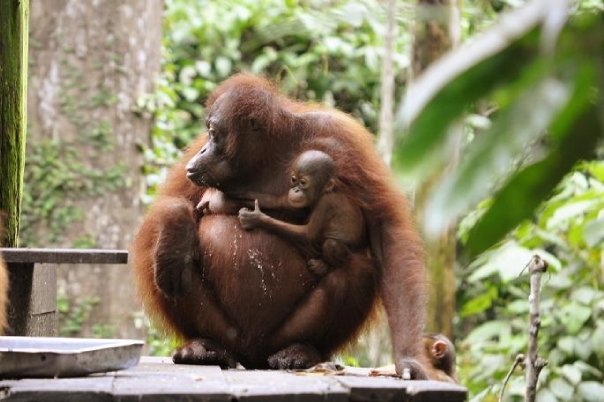
Sabah searching for the last Orang Utans: Eco focused operators should be the only ones to use when exploring the last remaining wildlife on the Kinabatangan. A homestay experience will completely submerge you in culture, incredible food, and freedom in exploring the surrounding environment. A quick eco-tip is to keep yourself aware of why there is such biodiversity surrounding the river (hint: palm oil plantations are not allowed to within 6 meters of the water ways... leading to only 6 meters of land by the river being habitable to all remaining wildlife)
Religion
Islam is the official religion of Malays though the population is divided as such: 60.4 percent of the population practiced Islam; 19.2 percent Buddhism ; 9.1 percent Christianity 6.3 percent Hinduism ; and 2.6 percent traditional Chinese. Religious turmoil is rather minimal and the Islamic faith in Malaysia follows in the evolved open minded followers of Islam, creating a peaceful and hardworking public.
Money
Malaysian Ringgit is the name of the currency and translates to roughly $1 CAD - 3 MYR approx. Within Kuala Lumpur 10 MYR will score you a hearty meal in downtown Little India, on the Island of Borneo off the tourist great meals (predominantly seafood) can be snagged for as little as 3 MYR.
Transportation
Air Asia is based out of Kuala Lumpur, therefore travel to and from the country is extremely easy and best of all CHEAP! For all your flights within SE Asia use Air Asia or TigerAirways as flights will be anywhere from $50-$100CAD for a one way ticket to any country. Within Kuala Lumpur use the mono rail system to get around to any location within the city, it is fast, cheap, and very efficient. On Borneo VIP bus, hired mini bus, or taxi for long hauls is best, and for short drives hired scooter drop-offs are very cheap and easy to find - make sure to bargain out your fare prior to jumping on!
Kuala Lumpur
This urban sprawl is quite an experience! It emerges out of nowhere to a massive size, a diverse maze of ethnic suburbs, from strong smells and sights in little Chinatown to the rich cosmo feel of downtown Kuala Lumpur laid out beneath the Petronas Towers. Unfortunately Malaysia just as Indonesia is heavily scarred by the government run Palm Oil industry - the 1 hour drive from the International airport to the city center is lined nonstop for as far as the eye can see with Palm Trees, which not only destroys all creature habitats but also makes the soil acidic and infertile for 100's of years. Keep an eye out for this Palm Oil plague as you venture around the country.
The cheapest and most plentiful accommodations are located in Chinatown though be prepared for rough standards, and check all beds for freakin bugs! For mid to high range hotels venture closer to the Petronas towers to satisfy your comfort. Though the accommodations weren't the best in Chinatown the famous night markets were unstoppable - a huge bazaar selling everything, and a great place to taste some ethnic treats, during morning time the whole maze of alleyways clears up and opens space for fruit stalls and eateries satisfying all your cravings. Little India also offers a similar experience though to the Hindi side of things, though in such away that sometimes you feel as if you're treading the cobbled streets of Mumbai.
The Petronas Towers created by the Petronas Oil cartel, are quite the monument to the companies success in boring holes all over the country. They are a great stop off for shopping at the tower complex lower level, for a birds eye view and a few great shots from the tower bridge.
Sabah Borneo
On route to Sandakan to visit one of 4 Orang Utan rehabilitation centers in the world is another great experience - Climbing the massive Mount Kinabalu (4,000m) - the 4th highest peak of SE Asia, is a determined yet doable climb for mid to highly experienced trekkers. The Kinabalu National Park also has a few Raffalasia flowers - the most stinky and largest flowers in the world which bloom only a couple times a year! After the climb head over to Sandakan which is the gateway to the Sepilok Orang Utan Rehabilitation Center, this is a magical journey which brought us to close encounters with gorgeous Orang Utan families during feeding hours along with cheeky macaques zipping to and fro. Spend a day (though get here early) to experience both feeding times at 10am and 2:30pm and enjoy the informative jungle setting.
Now on to the true adventurers last refuge... and you must experience it prior to Palm Oil plantations taking over the whole country! The Kinabantangen River is currently a huge favorite for National Geographic and other cinematographic explorers; you can find a huge array of wildlife at this river from the beautiful Hornbill bird, Big nosed Proboscis, Pygmy Elephants, to Croc and Orang Utans. The shear amount of wildlife by the rivers edge (best explored early morning or early evening) is caused by an interesting phenomenon. Due to the Palm Oil plantations taking over all surrounding land the government has regulated for 6 meters of land to be kept untouched along each side of the river... due to this strangle hold placed on the Kinabantangen all these animals are forced to exist together within this 6 meter patch of land. I highly recommend the Miso Walai Homestay (click the name to see the webpage) to explore this area, as it is highly eco-focused and all funds raised are re-invested to surrounding villages in education and river upkeep.
Some of the most fun was had in the surrounding beaches and islands of Kota Kinabalu. Tunku Abdul Rahman National Park holds a cluster of islands that are available for camping or day visits for diving, snorkelling, or just plain lounging around. We chose the fantastic option of stocking up on provisions - much wine, some Arak (popular rum style drink of Malaysia), charcoal and choice foods along with a couple tents and sleeping bags. After setting everything up, 3 days of heaven open up... beautiful sunrises, morning diving sessions with Borneo Divers Den, and great evening beach bonfire sessions. Kota Kinabulu also has many beaches surrounding, the best being Tangunj Aru located at the South end of the city.
Accommodation is easy to find and plentiful throughout Sabah, transportation is also an easy chore - within the city local buses will do the job, while your accommodation will be able to organize any long distance travel for a good price - for best routes refer to your Lonely Planet book or online at the Lonely Planet Thorntree Forum.
Search site